
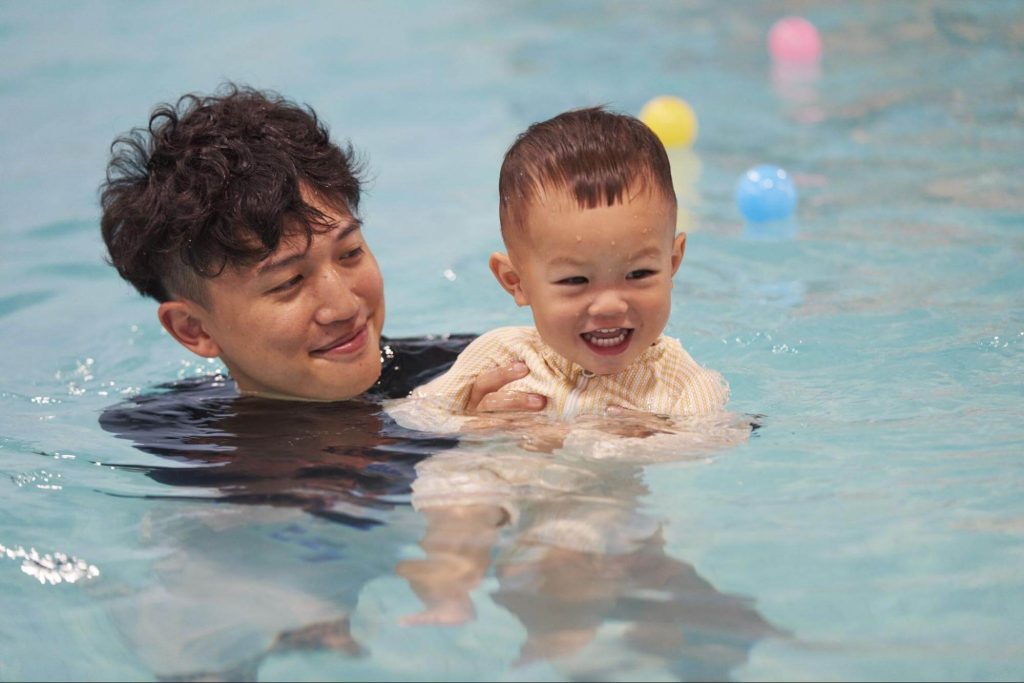
Swimming with your baby is often something parents feel excited about, but it can also raise a lot of questions. How early can you start? What will your baby actually experience? And how do you know if they’re ready?
The good news is that early swimming isn’t about getting better or doing well. It’s about comfort, connection, and helping your baby feel safe in the water.
With the right approach, those first sessions become a gentle, confidence-building experience for both you and your baby.
How Early Can You Start Swimming With a Baby?
Parents often want to know how soon they can take their infant swimming.
In most cases, babies can start swimming lessons from around five to six months of age. At this point, they can better control their body temperature and adapt to different places.
Lessons at this age are gentle and parent-led, with a strong focus on comfort rather than performance.
Can You Take a Younger Baby Into a Pool?
Some parents wonder whether it’s safe to take a younger baby, such as a three-month-old, into the water.
While gentle water exposure can happen earlier in controlled settings, structured swimming lessons are typically designed for babies who are a little older and more settled. Younger babies are still developing their ability to regulate temperature and may become unsettled more quickly.
Why Readiness Matters More Than Age
Rather than focusing on a specific age, it helps to look at your baby’s comfort.
A baby who feels calm in your arms and is able to settle in new environments is often ready to begin. There is no benefit in rushing the process. Starting when your baby feels secure creates a more positive experience from the beginning.
When Is the Right Time to Start Swimming With Infants?
Every Baby Is Different
There isn’t a single “right” time that applies to every child.
Some babies take to the water quickly, while others need time to adjust. What matters most is how your baby responds to new environments and whether they feel secure with you in the water.
Building Confidence Before the Pool
Confidence often begins before lessons even start.
Simple routines at home, such as bath time play or gentle water exposure, can help your baby become more familiar with the feeling of water. These small experiences can make the transition into swimming lessons feel less unfamiliar.
Parents who want to support this early stage can also explore how to best support their babies in their learn-to-swim journey.
What Happens in Infant Swimming Lessons?
A Calm Introduction to the Water
In the first few sessions, your baby may spend most of the time observing.
They might look around, stay close to you, or simply take in the environment. This is completely normal. There is no expectation for babies to participate straight away.
The goal is to help them feel safe.
Gentle Movement and Exploration
As your baby becomes more comfortable, you will begin to move together through the water.
This might include supported floating, gentle movement, and gradual exposure to water on the face. Each activity is introduced slowly, allowing your baby time to adjust.
Progress Happens Gradually
Progress at this stage is not measured by skills.
Instead, it shows up in small changes. Your baby may become more relaxed, more curious, or more willing to engage. These early signs of comfort are what matter most.
The First Few Lessons Matter Most
One of our instructors recently shared the story of a baby who found their first few lessons quite overwhelming. They would cling tightly to Mum at the start of class and often just wanted to be held close while they watched everything happening around them. Rather than rushing the process, each lesson focused on helping them feel safe and comfortable in the water. After a few weeks, they began to relax, splash happily and make eye contact with their teacher. Soon enough, they were arriving calm, smiling and ready to join in. It was such a lovely reminder that for babies, confidence in the water often starts with simply feeling secure.
How Swimming Supports Comfort and Confidence
Confidence Develops Before Skill
Babies need to feel safe in the water before they can trust it.
When you help and guide your infant in a peaceful setting, they start to think of water as a secure place. This sense of comfort allows them to explore movement naturally over time.
Why Confidence Comes First
As one of our senior instructors often says, “Babies need to feel safe and relaxed in the water before any real learning can begin. At this age, building trust is the most important first step. That is why calm environments, gentle encouragement and familiar routines matter so much. When babies see the same friendly faces each week and know what to expect, they begin to settle, enjoy the experience and grow in confidence naturally. Once that comfort is there, skills can start to develop in a happy and positive way.”
Small Changes That Signal Progress
You could notice small changes at first.
Your baby might become used to the water faster or stay peaceful for longer. They may begin responding to cues or showing curiosity about their surroundings.
These small changes are meaningful. They show that your child is getting more sure of himself.
Why This Stage Matters Long Term
The assurance acquired throughout infancy sets the foundation for subsequent learning.
Children who feel comfortable in the water are more likely to engage with new skills as they grow. This early period will affect how they swim in the future.
Safety Considerations When Swimming With Infants
Staying Close and Present
Your baby should always be within arm’s reach.
Even in a planned class, your presence is really important for making them feel safe. Being fully present also allows you to respond quickly to your baby’s cues.
Understanding Your Baby’s Signals
Babies communicate by making minor modifications in how they act.
If your baby becomes unsettled, tired, or uncomfortable, it’s important to respond early. Taking pauses when you need to helps keep things upbeat.
Building Safe Habits Early
Water safety organisations such as Royal Life Saving Australia highlight the importance of early, structured exposure to water in helping children build both confidence and essential safety skills over time.
What Parents Often Worry About
- What If My Baby Cries?
It’s completely normal for babies to feel unsure at first.
Crying doesn’t mean the lesson isn’t working. It simply means your baby is adjusting to something new. With time and consistency, most babies begin to settle.
- Am I Doing It Right?
Most parents are worried that they aren’t holding their child right or they aren’t following the directions properly.
In reality, your presence and calmness matter more than getting everything perfect. Instructors are there to guide you, and there is no expectation to get everything right straight away.
Why a Calm Approach Makes a Difference
Babies are very sensitive to how their parents feel.
Your baby is more likely to experience the same when you are calm and relaxed. This makes it more fun to be in the water.
The Role of Routine and Familiarity
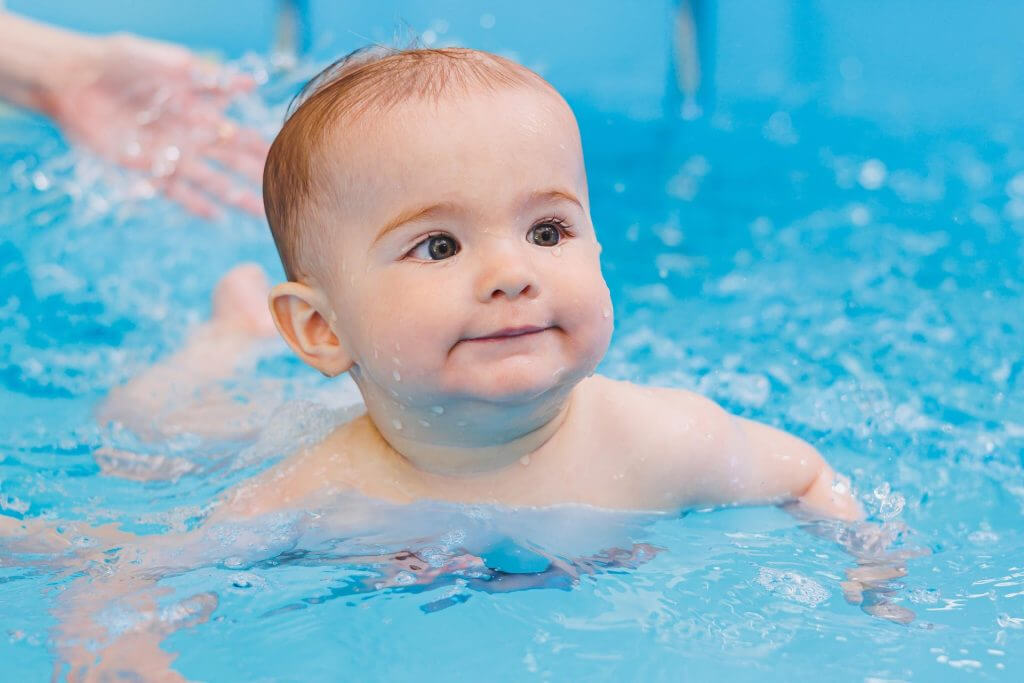
Creating a Predictable Experience
Babies thrive on routine.
Going to class at the same time every week with the same teacher helps them get to know them better. As time goes on, your baby starts to recognise their surroundings and feel more at ease.
Reinforcing Confidence at Home
Confidence doesn’t only develop in lessons.
Simple things you do at home, like playing in the bath and doing the same things after swimming, will help your baby feel more at ease in the water.
You can also explore additional guidance through our blogs to support your child’s confidence beyond lessons.
Why Parent Involvement Matters
Learning Together
One of the most crucial things about swimming with babies is that parents are there to help.
You are not just watching your baby learn. You are helping them feel safe and supported by guiding them through each phase.
Setting the Tone for the Experience
Your baby looks to you for reassurance.
If you are patient and calm while you teach your infant, they will feel more at ease. This builds a good association with water over time.
Building Trust Through Presence
Trust is built through consistency.
By showing up, staying present, and supporting your baby through each session, you are helping them develop confidence in a way that feels natural.
What This Means for Families Starting Out
A Calm Place to Begin
If you’re thinking about swimming with your baby, it helps to keep expectations simple.
Your baby doesn’t need to achieve anything straight away. What matters is creating a calm, supportive experience that they can build on over time.
Why a Gentle Start Matters
At Shapland Swim Schools, lessons are designed to support both babies and parents through this early stage.
Families can go at their own pace because the classes are small, the teachers are always the same, and the focus is on comfort and confidence.
A Gentle Start That Lasts
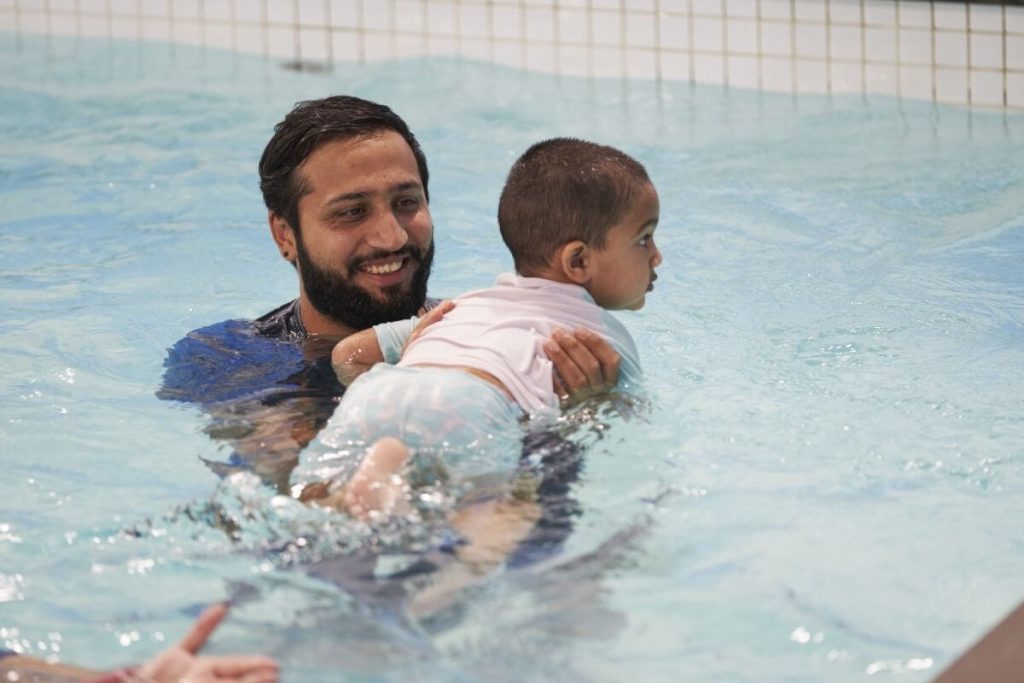
It starts with something easy.
Feeling safe.
Feeling supported.
Being at ease in the water.
By teaching your infant to swim with a calm and steady approach, you’re helping them create confidence that will last throughout their learning.
It doesn’t require perfection.
Just presence. Book a lesson with Shapland today!