
When most people think about water safety, they picture swimming lessons, lifeguards in red and yellow, and sunny afternoons at the pool.
But drowning prevention doesn’t start at the pool gate. It starts much closer to home.
For families, especially with young children, it’s the everyday habits that make the biggest difference. Small, consistent actions taken daily can quite literally save a life. The reassuring part is that it doesn’t require anything complicated or expensive. It really comes down to awareness, intention, and consistency.
Here are practical habits families can build into their routines to create a safer environment around water.
1. Supervision Is an Active Skill
We often hear the phrase “constant supervision”, but what does that actually mean?
Active supervision means being fully present. It’s not just being nearby; it’s being engaged.
- Stay within arm’s reach of young children
- Put your phone away
- Avoid conversations that pull your attention elsewhere
Drowning is fast and silent. In most cases, there’s no splashing or yelling.
One simple strategy that works really well is assigning a “Water Watcher”. That person’s only job is to supervise, nothing else. Rotating this role every 15 to 20 minutes helps keep everyone focused, especially during busy moments like birthday parties or barbecues where it’s easy to assume someone else is watching.
2. Secure Your Home Environment
Many childhood drowning incidents happen in home pools, which is why layers of protection are so important.
If you have a pool, make sure it’s properly secured with a compliant fence and a self-closing, self-latching gate. It’s worth checking regularly that the latch is working as it should and hasn’t been propped open.
Inside the home, it’s the small things that matter most. Get into the habit of emptying anything that holds water after use, whether it’s a paddling pool, a bucket, or a water play table. Even small amounts of water can pose a risk to toddlers.
Keeping bathroom doors closed and considering toilet lid locks can also make a big difference, especially if you’ve got a curious crawler on the move.
3. Make Water Safety a Normal Conversation
Water safety shouldn’t feel like a one-off serious talk. It works best when it’s part of everyday conversation.
Simple reminders like “we always ask before going near water” or “we wait for Mum or Dad” help children understand expectations over time. You can also practise little scenarios together, like what to do if a toy rolls into the pool or stopping at the gate and calling for an adult.
It doesn’t need to be formal. Just consistent.
If you’re not sure where to start with younger babies, our Home Baby Program is a great way to build early water confidence and introduce safe habits from the beginning:
4. Enrol in Quality Swimming Lessons
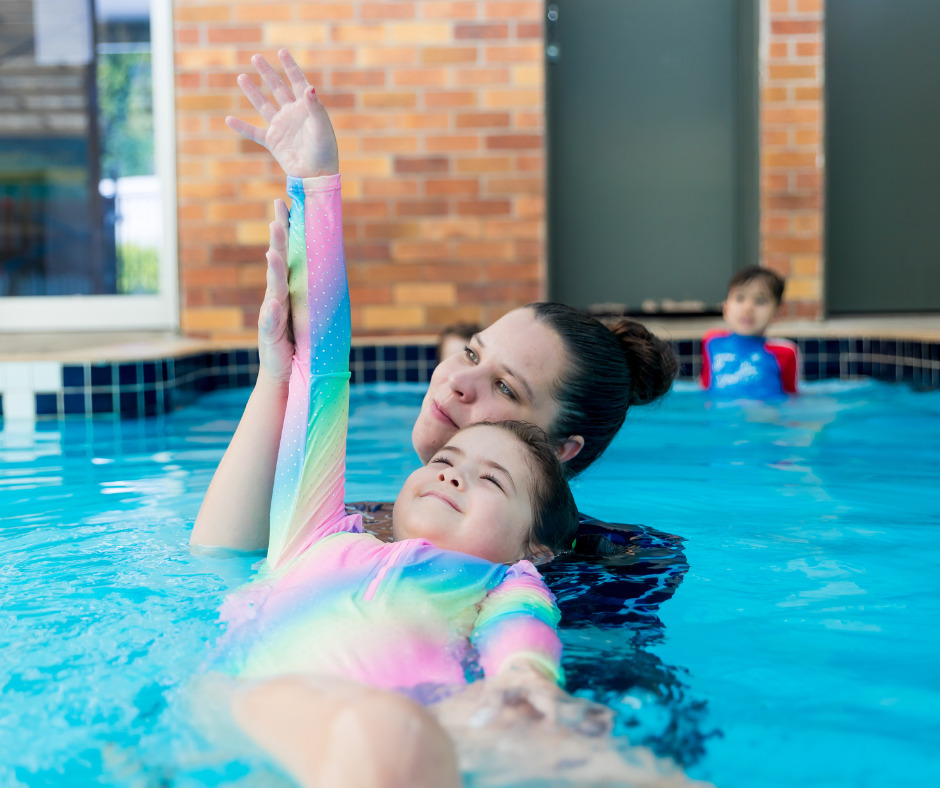
Swimming lessons are one of the most effective long-term protective factors against drowning.
They help children:
- Build confidence in the water
- Learn how to float and recover
- Practise safe entries and exits
In Australia, organisations like the Royal Life Saving Society Australia and AUSTSWIM strongly advocate for early and consistent swimming and water safety education.
If you’re looking to get started, you can learn more about our programs and how we support children at every stage here.
It’s important to remember that lessons are just one layer of protection, not a replacement for supervision. The real benefit comes from consistency, showing up each week, practising skills between lessons, and letting confidence build gradually over time.
5. Learn CPR and Refresh It Regularly
In an emergency, seconds matter.
Every parent, grandparent, and carer should know basic CPR. Most courses only take a few hours and are easy to access locally, but because skills fade over time, it’s recommended they’re refreshed every 12 months.
You can find accredited CPR courses through organisations like the following:
It’s also worth making sure a few simple things are in place:
- Emergency numbers are saved in your phone
- Everyone in the household knows your home address
It’s not about expecting something to go wrong. It’s about being prepared if it does.
6. Stay Alert Around All Water
Drowning risks aren’t limited to backyard pools. They exist anywhere water is present.
Bathtubs, dams, rivers, lakes, and beaches all come with their own risks.
A good rule of thumb is to never leave a young child unattended around water, even for a moment. If you need to step away, take them with you, even if it feels inconvenient at the time. Those are often the moments accidents happen.
When you’re out and about, take a quick look around. Is there a pond nearby? An unfenced pool? A water feature you didn’t notice at first? Being aware of your surroundings allows you to adjust your level of supervision.
At the beach or in open water, always swim between the flags and follow guidance from Surf Life Saving Australia.
7. Avoid Complacency as Skills Improve
As children become more confident in the water, it’s completely natural for parents to feel more relaxed.
Confidence is a great thing, but it’s important not to let that turn into complacency.
Keep doing the same things. Stay close, continue reinforcing safety rules, and keep checking your gates and barriers. Even confident swimmers can get tired, slip, or misjudge distance.
8. Model Respect for Water
Children learn by watching what we do.
If we rush around the pool or ignore safety rules, they’ll pick that up. But when we model calm, careful behaviour, they do the same.
Walking instead of running near water, wearing lifejackets when needed, and checking depth before entering all help shape how children understand and respect water.
The Small Things Matter Most
Drowning prevention isn’t about one big action. It’s built through small habits that become second nature over time.
- Close the gate.
- Empty the bucket.
- Put the phone away.
- Book the lesson.
- Refresh CPR.
- Have the conversation.
These quiet, everyday actions create layers of protection around your child.
Most of the time, you won’t even realise they’re working. And that’s exactly what you want.
Water should be a place of joy, confidence, and lifelong memories. By starting at home, families can help ensure children experience the benefits of water safely.It doesn’t require perfection.
Just presence.