
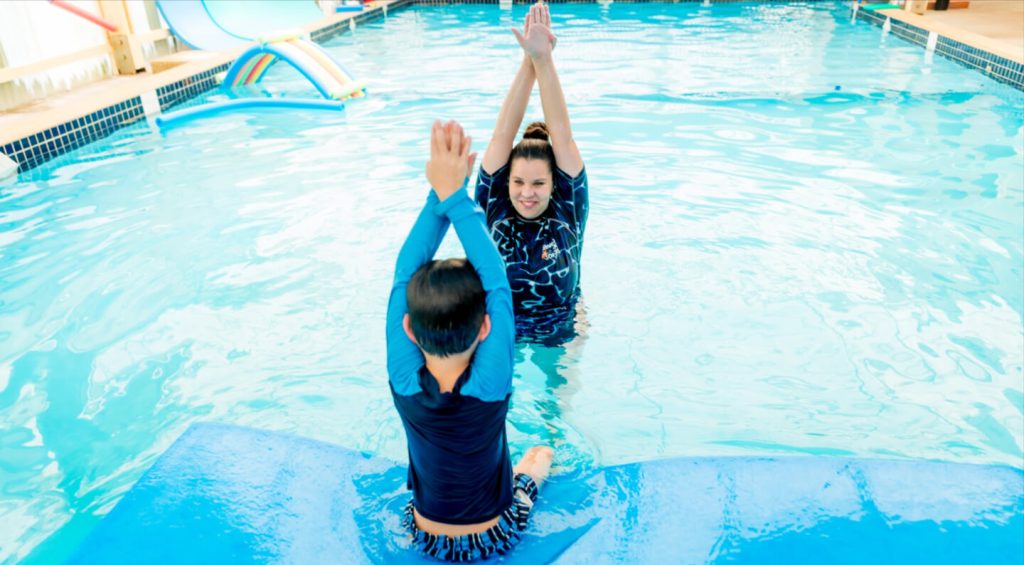
If you’re comparing the best swimming lessons for children, it’s easy to get caught up in prices, class packages and special offers. But choosing the right program is about more than what you pay each week. It’s about finding lessons where your child feels supported, enjoys coming back and continues to grow in confidence every time they get in the water.
Every family wants to make a smart decision. After all, swimming lessons are something you’ll likely commit to for months or even years. The challenge is knowing what separates a good program from one that’s simply marketed well.
The good news? You don’t need to be an expert. A few thoughtful questions can tell you far more than a price list ever will.
Start by Thinking About Your Child
Before comparing swim schools, take a moment to think about the child you’re enrolling.
Some children race towards the pool without a second thought. Others need a little time before they feel comfortable getting in the water. Neither approach is better than the other. They’re simply different starting points.
That’s why the right fit is so important. A program that meets your child where they are is more likely to keep them engaged than one that expects every child to learn at exactly the same pace.
When children enjoy their lessons, they usually look forward to coming back. That consistency often becomes one of the biggest drivers of progress.
Looking Beyond the Weekly Fee
Nobody wants to pay more than they need to. But it’s also worth asking what your child is getting in return.
Imagine two swim schools charging almost the same price. On paper, they might seem identical. Once you look a little closer, though, the experience could be quite different.
A price list can only tell you so much. It’s worth finding out how lessons actually run. Are classes small enough for instructors to spend time with each child? Is there a clear plan for helping children build their skills? The answers can give you a much better idea of the value a program offers.
These are often the little things that make one swim school stand out from another, especially when you’re looking for a program that will support your child over the long term.
At the end of the day, most parents simply want to know their child is enjoying lessons and making progress. That’s often what good value looks like.
Every Lesson Should Feel Like Progress
Children don’t suddenly become confident swimmers overnight.
One week they might be happy putting their face in the water. A few weeks later they’re floating independently. Before long, they’re trying skills that once seemed impossible.
Progress is often made in small moments, not in grand breakthroughs. That’s why it helps to choose a program that acknowledges those milestones rather than only looking to the next level.
Learning to swim should never feel like a race.
The Right Environment Makes Learning Easier
Think about how children learn in other parts of their lives.
They’re often more willing to try something new when they feel comfortable, know who’s teaching them and understand what to expect.
Swimming lessons are no different.
A calm environment, warm water and instructors who create a positive learning experience can help children settle into lessons more quickly. When they’re relaxed, they’re often more willing to practise, make mistakes and keep trying until a skill clicks.
Those small experiences help build confidence over time.
Building confidence in the water is an important milestone, but it’s only one part of staying safe. The Royal Children’s Hospital Melbourne reminds families that active adult supervision is essential whenever children are around water, regardless of their swimming ability.
Ask Questions That Aren’t About Price
Parents often ask about lesson fees first, which makes sense. But some of the most useful questions have nothing to do with cost.
For example, how does the program support children who need a little longer to master a skill? How do instructors know when a child is ready to move to the next stage? Will your child see familiar faces each week?
The answers can give you a much clearer picture of what the learning experience will actually be like.
Choose Something Your Family Can Stick With
Even the best swimming lessons won’t have the same impact if getting there becomes stressful every week.
Think about whether lesson times suit your routine, whether the location is convenient and whether the program offers enough flexibility if life gets busy.
The easier it is to make swimming part of your regular week, the easier it becomes for your child to build confidence through consistent practice.
What Is the Recommended Age to Start Swimming Lessons?
Parents often ask whether there’s a “perfect” age to begin.
The truth is that every child is different. Some are ready earlier, while others benefit from waiting until they feel a little more comfortable around the water.
Rather than focusing on reaching a particular age, look for a program that offers age-appropriate instruction and supports children at the stage they’re currently in. Starting with realistic expectations often leads to a more positive experience for both children and parents.
It’s Okay to Take Your Time
Choosing swimming lessons isn’t a decision you have to rush.
Visit a swim school if you can. Ask questions. Pay attention to how children are interacting with their instructors and whether the atmosphere feels welcoming. Sometimes you’ll learn more in ten minutes of observing a lesson than you will from reading a website.
Trust your instincts as well. You’re not simply choosing somewhere your child will learn to swim. You’re choosing a place where they’ll spend time building confidence, learning new skills and creating positive experiences around the water.
The Best Choice Is the One That Fits Your Child
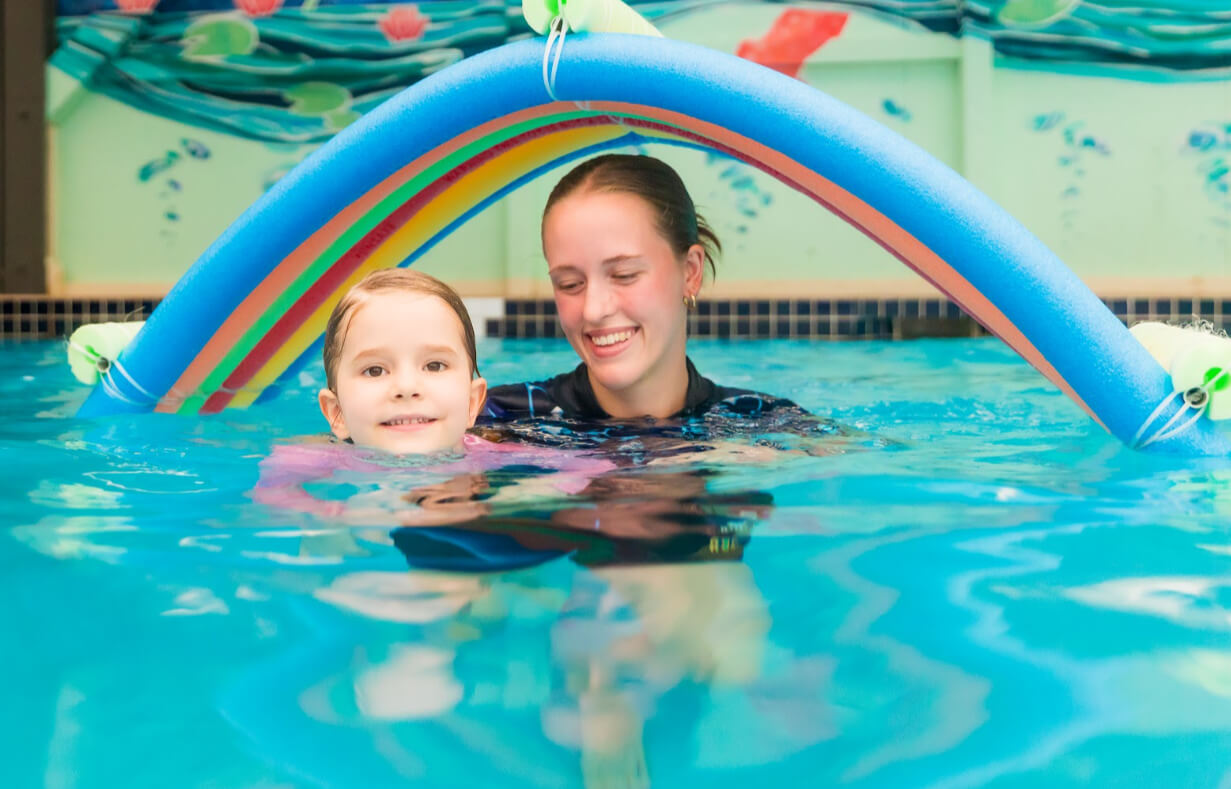
The best swimming lessons for kids aren’t defined by the biggest discounts or the longest list of inclusions. They’re the lessons that help your child feel safe, supported and excited to keep learning.
When you focus on the overall experience instead of the price alone, it’s much easier to recognise genuine value. And when you find a program that’s the right fit, you’re investing in more than swimming lessons. You’re giving your child the opportunity to develop confidence that can stay with them for years to come.