
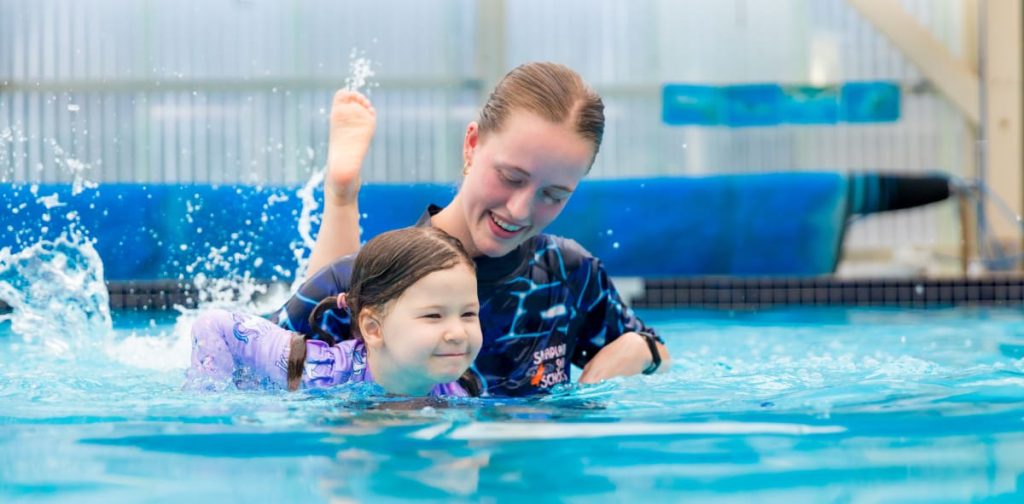
Swimming lessons are worth it for children because swimming is a life skill. More than that, it can be a life-saving skill. While lessons are an ongoing cost, they give children the chance to build water safety awareness, confidence and practical skills that may one day help keep them safer around water.
For many families, swimming lessons can feel like another weekly expense. Between school, daycare, groceries, sport and other activities, it is understandable that parents look at the cost and wonder where lessons fit.
But swimming lessons are different.
They are not just a fun optional activity or another extracurricular to squeeze into the calendar. They are an opportunity for children to learn vital water safety and swimming skills in a structured, supportive environment.
In a country like Australia, where water is such a big part of everyday life, swimming lessons should be considered a priority for many Australian families. Pools, beaches, rivers, dams, bathtubs and holidays all bring children close to water. While active adult supervision is always essential, children also need the chance to learn how to be safer and more capable in the water themselves.
That is where swimming lessons matter.
Is It Worth Taking Swimming Lessons?
Yes. Swimming lessons are worth taking because they help children build skills that are far more important than simply learning a sport.
A child may never continue with dance, soccer, gymnastics or music into adulthood, and that is completely okay. Those activities can be wonderful. But swimming is different because it teaches a skill children can use for the rest of their lives.
Swimming lessons help children learn how to move through the water, float, breathe, listen, respond calmly and understand safe behaviours around pools and other aquatic environments.
Family swimming is also valuable. It helps children enjoy the water and practise what they are learning. But casual swimming is not the same as a structured lesson with a qualified teacher.
A swimming teacher understands how to build skills step by step. They know how to support a nervous child, when to correct technique and how to teach safety habits in a way children can understand. Lessons give children consistent practice, clear progression and a safe place to learn.
Swimming is not just about strokes. Before a child can swim confidently, they need to learn many smaller skills first. Blowing bubbles, floating, kicking, holding the wall, climbing out safely, waiting for instructions and becoming comfortable in the water are all part of the process.
These skills may look simple, but they form the foundation for safer swimming.
Why Parents Question the Cost of Swimming Lessons
It is completely understandable that parents question the cost of swimming lessons.
Weekly fees can add up, especially for families with more than one child enrolled. Parents are often balancing swimming with school expenses, daycare fees, household costs and other activities.
Another reason parents question lessons is that progress can sometimes feel slow. A child may spend several lessons working on the same skill before it finally clicks. For parents watching from the side of the pool, it can be easy to wonder whether enough is happening.
But swimming takes time. Children are not only learning physical movements. They are learning breath control, coordination, listening skills, confidence, water awareness and emotional regulation in an unfamiliar environment. They are also experiencing the feeling of reduced gravity for the very first time.
Some children are confident straight away. Others need more time. One child may happily put their face in the water during their first lesson, while another may need weeks of gentle encouragement before they are ready. Both children are still learning.
Progress in swimming is not always loud or obvious. Sometimes it looks like a child standing calmly on the step instead of crying. Sometimes it is putting their mouth in the water for the first time. Sometimes it is listening to the teacher, waiting safely or trying a skill they were unsure about last week.
Those moments matter.
Progress in swimming is rarely measured by one big breakthrough. Often, it is the accumulation of many small wins that help children become more comfortable and capable in the water. Understanding how long children should stay in swimming lessons can help parents set realistic expectations about long-term skill development.
The value of swimming lessons is not only measured by how quickly a child moves up a level. It is measured by the safety, confidence and capability they build over time.
The Benefits Go Beyond Learning Strokes
When parents think about swimming lessons, they often picture their child learning freestyle or swimming across the pool. Those skills are important, but swimming lessons offer so much more.
A good swimming program helps children build water safety awareness, confidence, physical development and independence.
Why Are Swimming Lessons Important for Children?
Swimming lessons help children develop water safety skills, confidence, independence and physical coordination. While learning to swim is the main goal, the benefits often extend well beyond the pool.
For Australian families, where children are regularly exposed to pools, beaches and other waterways, swimming is one of the most valuable life skills a child can learn. Over time, lessons help children become safer, more confident and more comfortable around water.
Water Safety Skills
Water safety is one of the biggest reasons swimming lessons are so important.
Children can be around water in so many everyday situations. A backyard pool, a friend’s house, the beach, a creek, a dam, a holiday pool or even the bath. Water is part of life, especially for Australian families.
No swimming lesson can ever replace active adult supervision. Children must always be closely supervised around water. No child is ever completely safe or “drown-proof.”
Parents looking to strengthen their family’s approach to water safety can also access practical water safety advice for parents through Royal Life Saving Australia.
But swimming lessons help children develop skills that can support their safety. They can learn how to enter and exit the pool safely, hold the wall, float, kick, turn around, move through the water and respond to instructions.
They also learn how to feel calmer in the water. This is important because panic can make water situations more dangerous. A child who has practised floating, breathing and moving in the water may be better prepared to respond calmly.
That is why swimming lessons should not be seen as optional. They are part of teaching children how to be safer around water.
Confidence and Independence
Swimming lessons also build confidence.
For some children, the water feels exciting from the beginning. For others, the water can feel splashy and unfamiliar. A gentle, consistent lesson environment gives children the chance to build trust slowly.
A child might start by sitting on the step. Then they may walk along the step through the water, hold the wall, blow bubbles, try a float with help and eventually kick across a short distance. Each small step builds confidence.
Over time, children begin to realise they can do hard things. They learn that practice helps. They learn to listen, try again and celebrate progress.
This confidence often reaches beyond the pool.
As children achieve new milestones and overcome challenges, they often become more willing to try unfamiliar activities in other areas of life. Many of the same principles that help children become confident and independent swimmers can support their broader development and resilience.
Physical Development
Swimming is also wonderful for physical development.
It uses the whole body and helps children build coordination, strength, balance, endurance and body awareness. Children learn to move their arms and legs together, control their breathing and understand how their body moves through water.
Because swimming is gentle on the body, it is a great activity for many children. It supports fitness without the same impact as many land-based sports.
For younger children, swimming lessons can also support listening, turn-taking and following instructions. These are simple skills, but they are important for development both in and out of the pool.
Can Parents Teach Their Child to Swim Without Lessons?
Parents play an important role in helping children feel comfortable around water. Family swims, bath time confidence and positive water experiences can all help.
But for most children, family swimming should support lessons, not replace them.
Teaching a child to swim properly is more than helping them paddle or kick. It requires structure, progression and an understanding of how skills build on each other.
Qualified swimming teachers know how to teach skills in the right order. They know when a child is ready to move forward and when they need more practice. They can correct technique, encourage safe habits and support children who are nervous or unsure.
It can also be difficult to teach your own child because children often behave differently with parents than they do with teachers. A child who refuses to try something with Mum or Dad may be willing to try it with their swimming teacher.
This does not mean family swimming is not valuable. It absolutely is. But casual swimming alone may leave gaps in safety, technique and confidence.
The best approach is usually both. Lessons provide the structure and safety education, while family swimming gives children extra time to practise and enjoy the water.
Swimming Lessons as a Long-Term Investment
Swimming lessons are an investment in your child’s safety, confidence and future.
Unlike many activities, swimming is something your child can use for life. It is useful at the beach, in pools, on holidays, at school swimming days, around friends’ pools and later in adulthood.
It is not just a childhood activity. It is a lifelong skill.
Swimming lessons are not simply another extracurricular activity. They are an investment in a skill that can benefit a child for the rest of their life.
This is why swimming lessons should be prioritised. They are not about keeping children busy for 20 minutes a week. They are about giving children repeated, supported opportunities to learn skills that may help protect them around water.
The value may not always be seen in one term. It builds slowly over time. A child becomes more comfortable, then more capable, then more independent. Those small steps can become something incredibly important.
Swimming can also support lifelong health and fitness. Many adults return to swimming because it is gentle, low-impact and effective. When children grow up feeling confident in the water, they are more likely to see swimming as a natural and enjoyable part of life.
How Long Does It Take a Child to Learn to Swim?
Every child learns at their own pace.
Some children feel comfortable in the water quickly. Others need more time. Age, confidence, coordination, personality, previous water experience and lesson consistency can all make a difference.
It also depends on what you mean by “learn to swim.” Being able to paddle a short distance is not the same as having strong technique, stamina and safety awareness.
A child may learn to float before they swim independently. They may feel confident in shallow water before they are ready for deeper water. They may be able to swim a short distance but still need support with breathing, technique or endurance.
That is why steady progress matters more than a strict timeline.
Is your child becoming more confident? Are they calmer in the water? Are they listening more carefully? Are they trying new skills? Are they safer and more capable than they were before?
Those are all signs that lessons are working.
What Makes Swimming Lessons More Valuable?
Not all swimming lessons offer the same experience. If swimming lessons are going to be a regular investment, it is worth choosing a program that gives your child the best chance to learn properly.
The quality of the teacher, class size, consistency and structure all matter.
Small Class Sizes
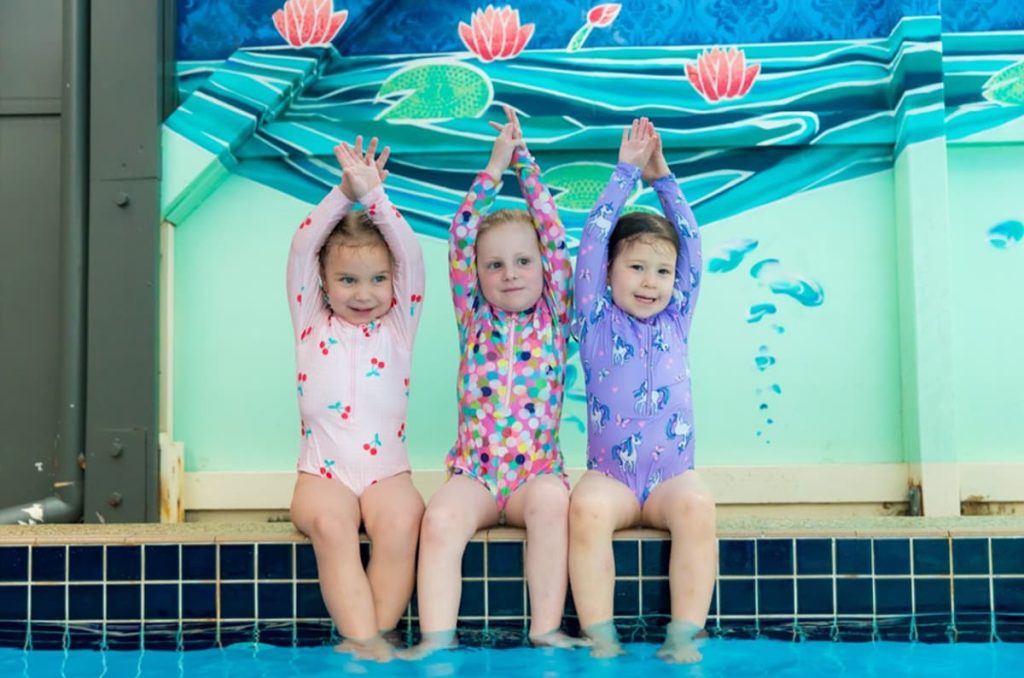
Small classes can make a huge difference.
When there are fewer children in the class, the teacher has more time to focus on each child. This means more individual feedback, more practice and less waiting.
For children who are nervous or still building confidence, a smaller class can also feel calmer and more supportive.
At Shapland Swim Schools, our classes have only three children. This allows our teachers to give each child more attention and support them at their own pace.
Consistent Teachers
Children often learn best when they feel safe, familiar and understood.
When a teacher sees a child regularly, they get to know their personality, confidence level and learning style. They know what the child has been working on and what they are ready to try next.
That consistency helps build trust. And in swimming, trust is so important.
A child who trusts their teacher is more likely to listen, try new skills and keep going when something feels challenging.
Year-Round Learning
Swimming should not only be thought of as a summer activity.
Long breaks can cause children to lose confidence or forget skills they were just beginning to master. This is especially common for younger children.
Year-round lessons help keep skills fresh and confidence steady. They also keep water safety front of mind, not just something families think about when the weather warms up.
For many children, consistency is what makes the biggest difference.
A Clear Program
A strong swimming program should have structure.
Children need to learn skills in a way that makes sense. They should not be rushed through levels before they are ready, but they also need clear steps to keep progressing.
At Shapland, our program has been refined over generations. Children are supported to build confidence, safety skills and swimming ability step by step.
The goal is not to rush. The goal is to help each child become calm, confident and capable in the water.
Are Swimming Lessons Worth the Money?
Yes, swimming lessons are worth the money because they teach skills that can last a lifetime.
The cost is real, and every family has different circumstances. But swimming lessons should not be compared only to other weekly activities. They are not just entertainment. They are not simply something children do for fun after school.
Swimming lessons give children the opportunity to learn vital water safety and swimming skills. They help children become more confident around water, understand safer behaviours and build the foundations for lifelong swimming ability.
You are not just paying for a weekly lesson. You are investing in your child’s safety, confidence and independence.
Progress may not always be instant, but that does not mean it is not happening. In swimming, consistency matters. The more regularly children practise with the right support, the stronger their foundations become.
Swimming Lessons Are an Investment in Your Child’s Future
Swimming lessons are an investment, but they are an important one.
They are not just another optional activity. They are an opportunity for children to learn vital life-saving skills, build confidence and become safer around water.
For Australian families, water is everywhere. Pools, beaches, holidays and everyday water environments are part of life. Children need the chance to learn how to move, float, listen, respond and stay calm in the water.
At Shapland Swim Schools, our small classes, experienced teachers and structured year-round programs are designed to help children feel safe, supported and confident as they learn.
If you’re ready to help your child build confidence in the water and develop skills for life, explore our swimming programs to find the right class for their age and stage of development.
When deciding whether swimming lessons are worth it, try not to think of them as just another weekly cost. Think of them as an investment in your child’s safety, confidence and future.
Swimming is one of the most valuable life skills a child can learn, and every child deserves the opportunity to develop it.